
Common Misconceptions About Using White Glue for Crafts: Clarifying Three Key Questions
2026-09-22
White glue is one of the most common adhesives in crafting, yet long-standing misconceptions about its safety and suitable applications persist. These myths influence purchasing decisions and cause unnecessary concerns among users who could otherwise use this product with confidence. Based on material properties and industry standards, this article clarifies three frequently asked questions.
Misconception 1: White glue contains harmful ingredients and is unsuitable for children's crafts.
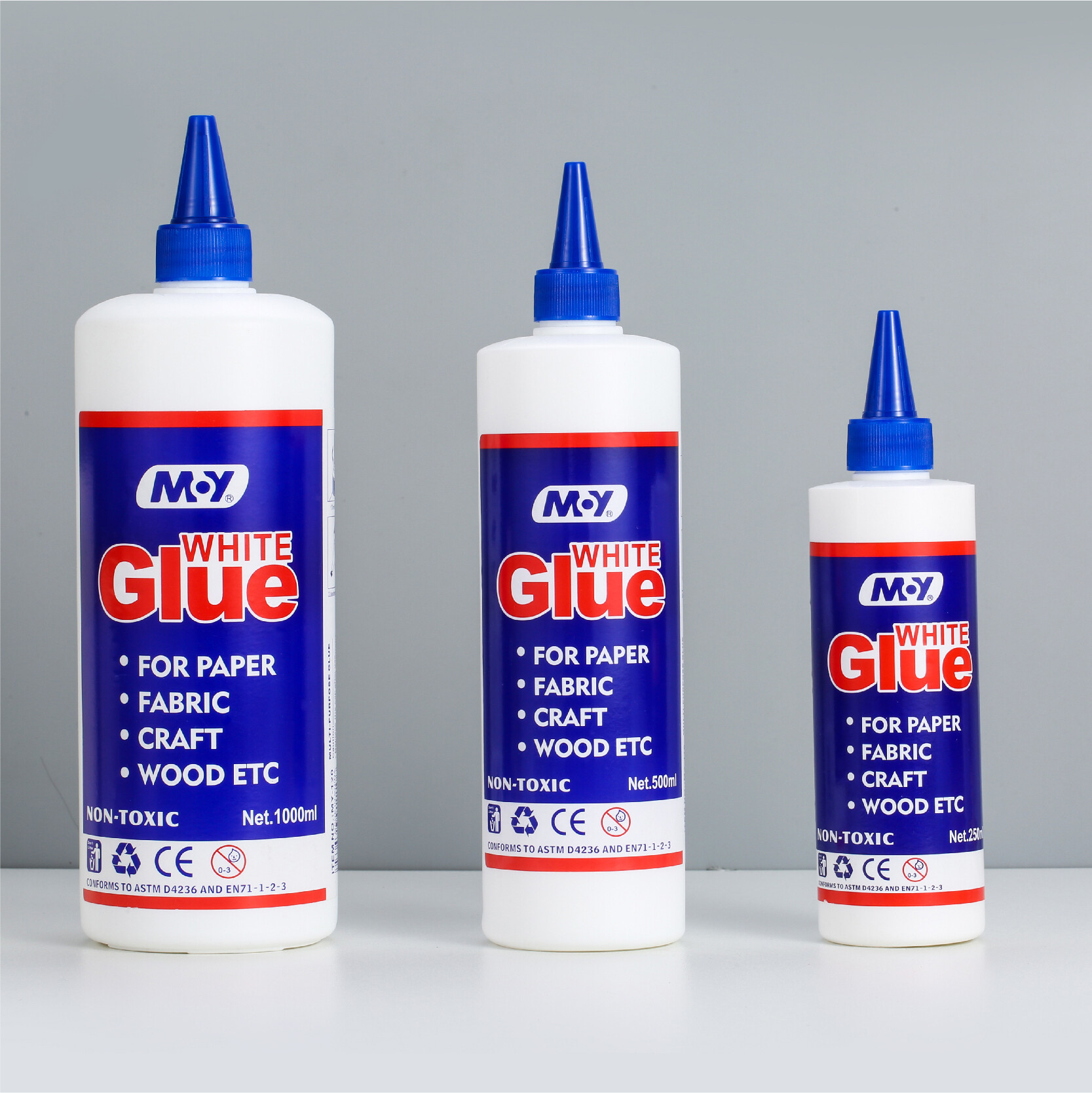
This concern stems from the term "latex." In fact, school-grade white glue is primarily a polyvinyl acetate (PVA) emulsion. As a water-based adhesive with water as the dispersing medium, it contains no organic solvents. White glue intended for children produced by reputable manufacturers must pass safety tests for heavy metal content and formaldehyde emissions. For example, under the EU EN71-3 standard, which sets strict limits on migratable elements, compliant products are safe for use in scenarios involving children. Safety is determined not by the product category but by whether the item has passed relevant testing and holds a valid compliance report.
Misconception 2: White glue is only suitable for paper and has weak bonding strength.
White glue bonds far more than just paper. It adheres well to porous materials like wood, fabric, cardboard, and unglazed ceramics. Ideal for crafts such as paper art, sewing projects, wooden model assembly, and dried flower decor. Strong bonds depend on proper application: apply an even layer, press firmly, and allow full curing (typically 24 hours). Most cases of weak adhesion stem from excessive glue thickness, insufficient pressure, or inadequate drying time—not from the product's limitations.
Misconception 3: White glue yellows after curing and ruins the appearance of the artwork.
High-quality white glue dries clear or semi-transparent, without noticeably altering the surface color of your work. Yellowing typically occurs in two scenarios: low solids content or poor-quality additives in the product itself, or prolonged exposure to strong UV light. Choosing a product with balanced solids content and a stable formula, and using it in standard indoor environments, prevents this issue.
Handcrafted desktop scene with white latex bottle and crafting materials
Rely on material properties and test data, not assumptions. As a DIY adhesive factory specializing in stationery glue R&D, Mingyuan adheres to full-process quality control aligned with EU standards. This ensures our white glue meets safety and performance requirements for creative crafts and arts education. Understanding actual product performance helps users make informed material choices.