No-Bake Resin Art Enters Aesthetic Education: Three Key Criteria for Training Institutions to Select Products
2026-10-12
The materials selected for art education courses directly impact teaching efficiency and student experience. When procuring supplies, training institutions typically prioritize material safety, classroom usability, and the quality of finished products. Cold-cure resin painting, a new addition to art education curricula in recent years, demonstrates clear suitability across all three dimensions.
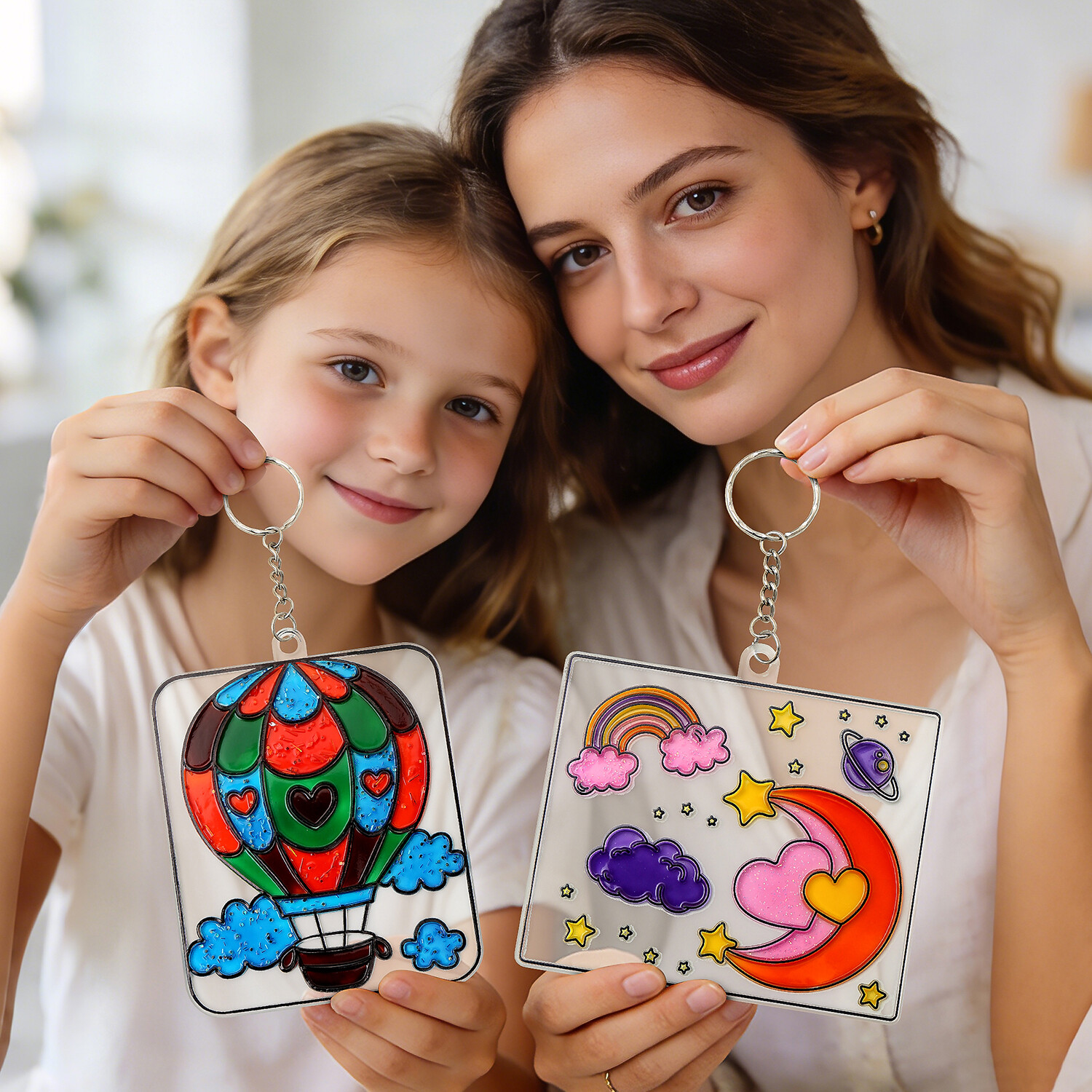
Art classroom scene with no-bake resin painting craft materials arranged on the desks.
Security and Ease of Use
The core material for no-bake resin art is water-based, containing no organic solvents. It dries and forms a film naturally at room temperature, unlike traditional resin materials that require heat curing. This eliminates the need for ovens or heating equipment in the classroom, lowering safety barriers and space requirements—a primary consideration when purchasing supplies for art classes serving students aged 6 to 12. Our water-based formula ensures the resin has no irritating odor and passes skin-contact safety tests, allowing teachers to focus more on instruction rather than safety management.
The process breaks down into three simple steps: outline, fill with resin, and let dry. No complex tools are needed—students can do it on their own. In a standard 45-minute lesson, each student completes a full artwork to take home, ensuring a clear sense of achievement.
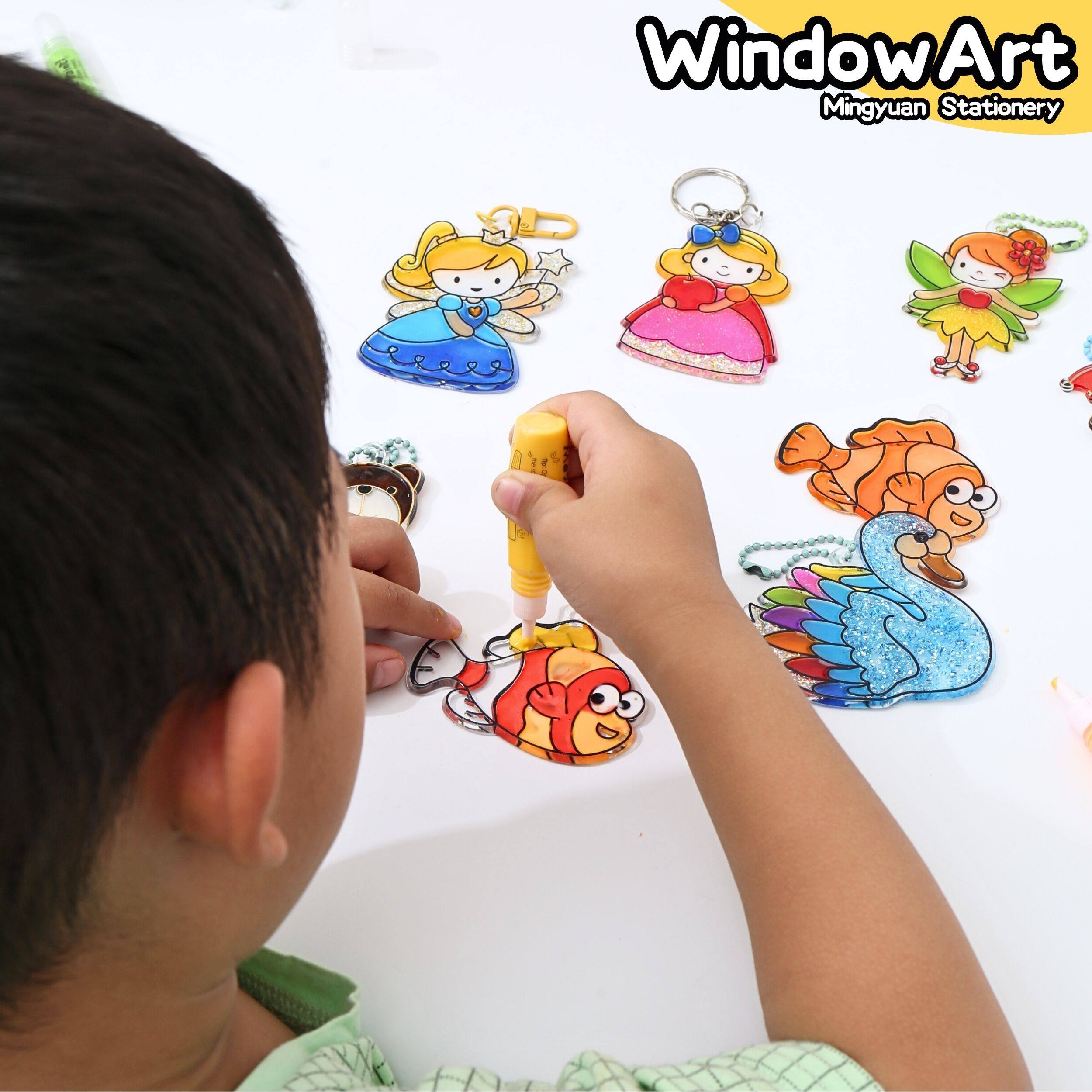
Hand demonstration of no-bake resin painting process
Final Output and Course Extensions
After curing, no-bake resin forms a transparent or semi-transparent colored film that adheres to various substrates like glass, plastic sheets, and paper, creating a stained-glass-like visual effect. Educational institutions can incorporate it into creative craft curriculum units—such as "Light & Color" or "Holiday Crafts"—to develop a series of structured lessons.
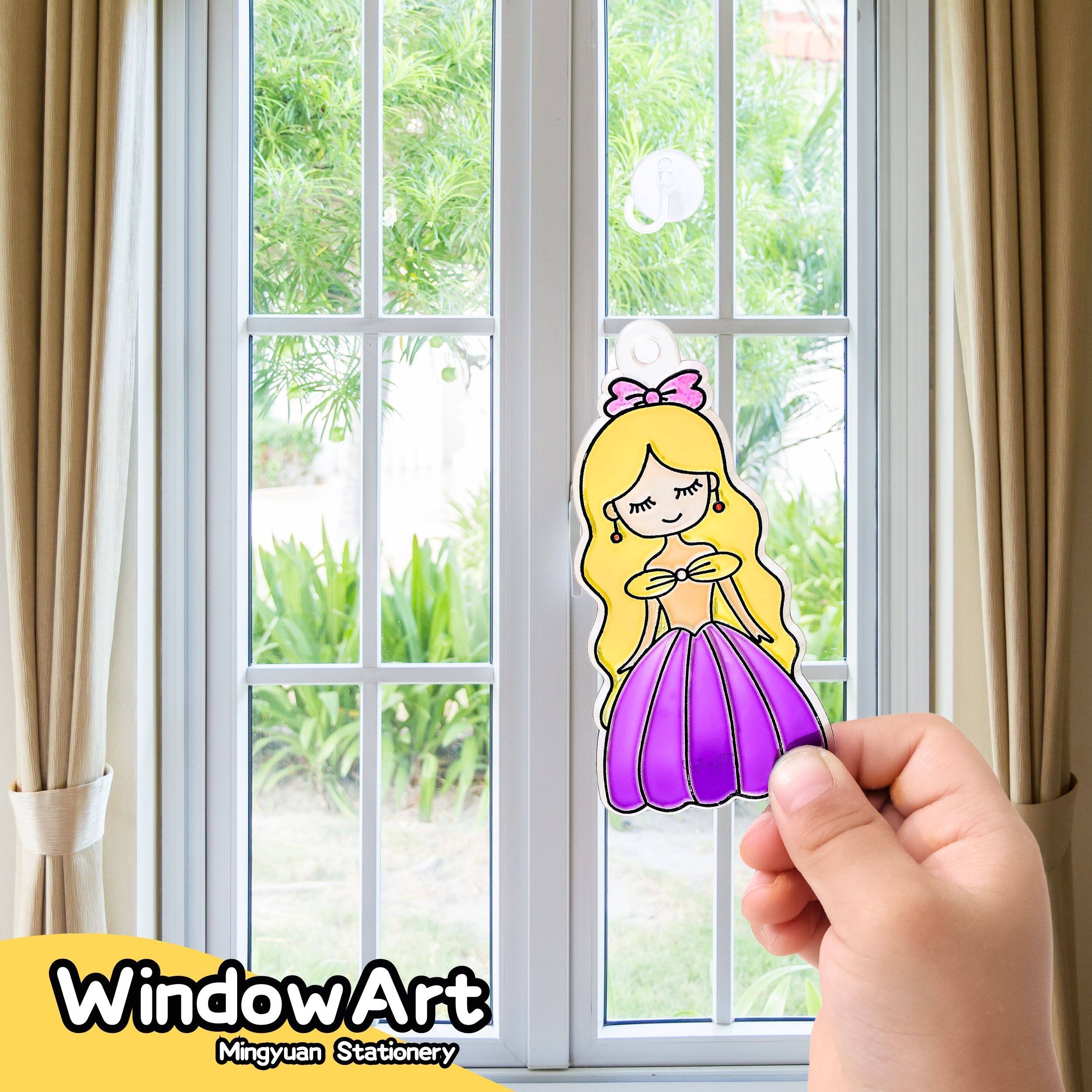
No-bake decal showcase: Colorful transparent film applied to various substrates
When selecting products, institutions should prioritize material safety certifications, suppliers' mass customization capabilities, and supply stability. We offer OEM/ODM services with exclusive color schemes and specifications tailored to your curriculum needs, delivering end-to-end solutions from production to packaging.